Description

Health benefits of Kalonji seeds
- A source of antioxidants
- Antioxidants are compounds that neutralize harmful free radicals and prevent oxidative damage to cells.
- Kalonji contains compounds with potent antioxidant properties, such as thymoquinone, carvacrol, t-anethole, and 4-terpineol, that may protect against chronic conditions, including cancer, diabetes, heart disease, and obesity.
- Fights allergens and bacteria
- Test-tube studies have reported that kalonji may have antibacterial properties and be effective at fighting off certain strains of bacteria.
- Several test-tube studies reported that kalonji can treat or prevent the growth of methicillin-resistant Staphylococcus aureus (MRSA) and several types of bacterial infections.
- Helps with weight loss
- Kalonji oil contains phytochemicals, particularly phytosterols, which can impact the expression of genes, leading to appetite control along with faster fat loss.
- A study including about 783 overweight participants concluded that kalonji seed oil and powder can reduce weight by an average of 4.6 pounds compared to the placebo group.
- Another eight-week study conducted on women taking a low-calorie diet with three grams of kalonji oil revealed a weight loss of 4.6 pounds compared to the placebo.
- Boosts memory and concentration
- Ayurvedic medicine suggests taking kalonji seeds combined with mint leaves for a memory boost.
- Kalonji is healthy for elderly people because it could prevent or delay Alzheimer’s disease.

- Helps lower cholesterol
- Studies report that supplementing with kalonji was associated with a significant decrease in total and low-density lipoprotein cholesterol and blood triglycerides, thus reducing the risk of heart diseases.
- Aids in blood sugar regulation
- High blood sugar can lead to serious consequences, such as nerve damage, vision changes, kidney problems, and slow wound healing.
- Kalonji is a natural cure that may improve healthy blood sugar levels in patients with type II diabetes.
- A study reported that taking kalonji daily for three months significantly reduced fasting blood sugar, average blood sugar, and insulin resistance.
- Prevents constipation and stomach ulcers
- Kalonji contains thymoquinone, an important ingredient to cure various gastrointestinal issues.
- Adding kalonji seeds to your diet prevents constipation and regulates digestive health.
- Studies report that kalonji could help preserve the lining of the stomach and prevent the formation of ulcers.
- Has anticancer properties
- In-vitro (test-tube) studies have reported impressive results of the potential anticancer effects of kalonji and thymoquinone (their active compound).
- Kalonji and its components are effective against several types of cancer, including pancreatic, lung, cervical, prostate, skin, and colon cancers.
- Alleviates inflammation
- Inflammation is a normal immune response that helps protect the body against injuries and infections. However, chronic inflammation is speculated to contribute to several diseases, such as cancer, diabetes, and heart diseases.
- Studies suggest that kalonji may have powerful anti-inflammatory effects on the body that could help reduce the markers of inflammation.
- Helps relieve skin diseases
- Kalonji helps maintain glowing and clear skin and fights several skin problems, such as acne, scars, dry skin, skin whitening, pigmentation, wrinkles, and blemishes.
- Good for dental issues
- Teeth are vulnerable to several diseases, such as plaque, cavities, swelling of gums (gingivitis), bleeding gums, and periodontitis.
- Kalonji seed oil is a natural remedy to treat toothache and other dental issues.

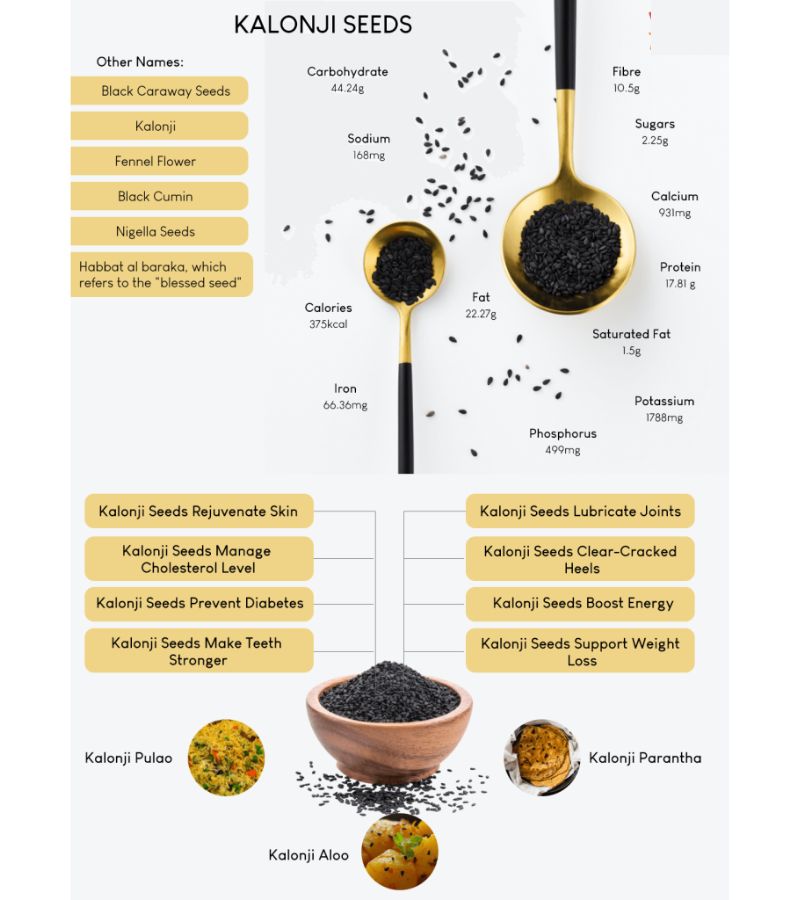
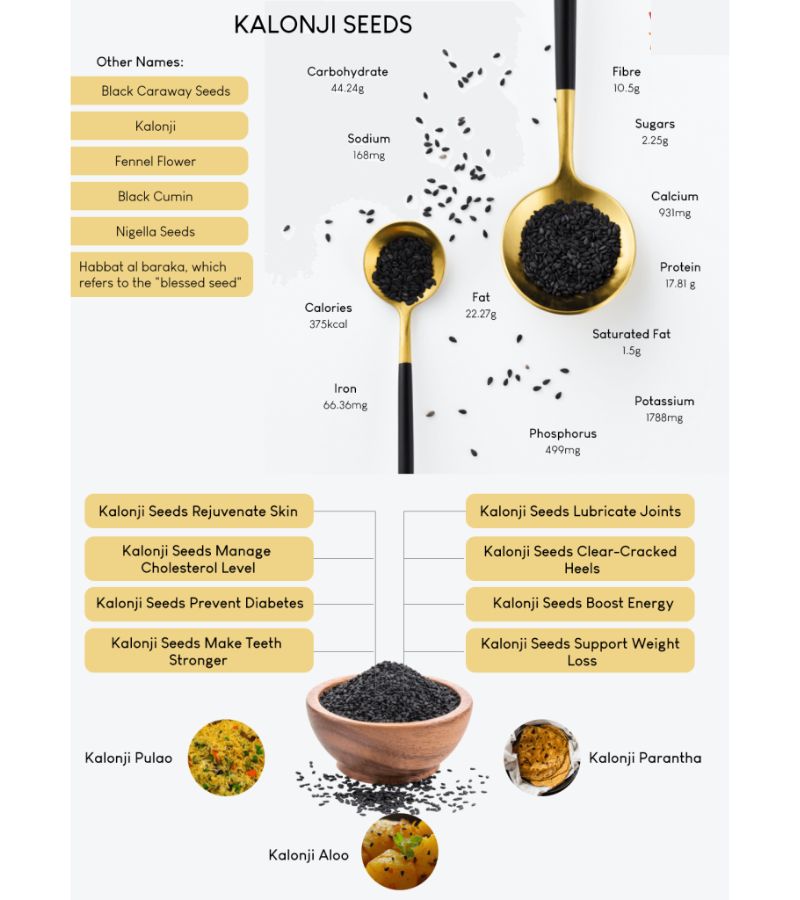
What is the nutritional information of kalonji?
Table 1: Nutrient content in 100 grams of kalonji
| Nutrient |
Amount |
| Calories |
345 |
| Total fat |
15 grams |
| Carbs |
52 grams |
| Protein |
16 grams |
| Sodium |
88 mg |